Diesel diagnostics
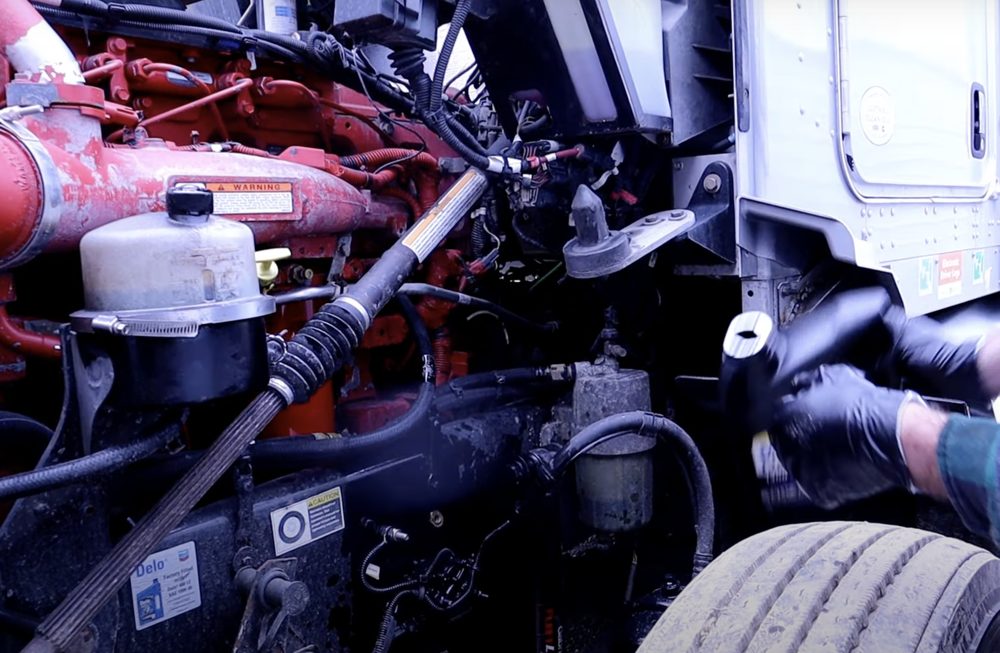
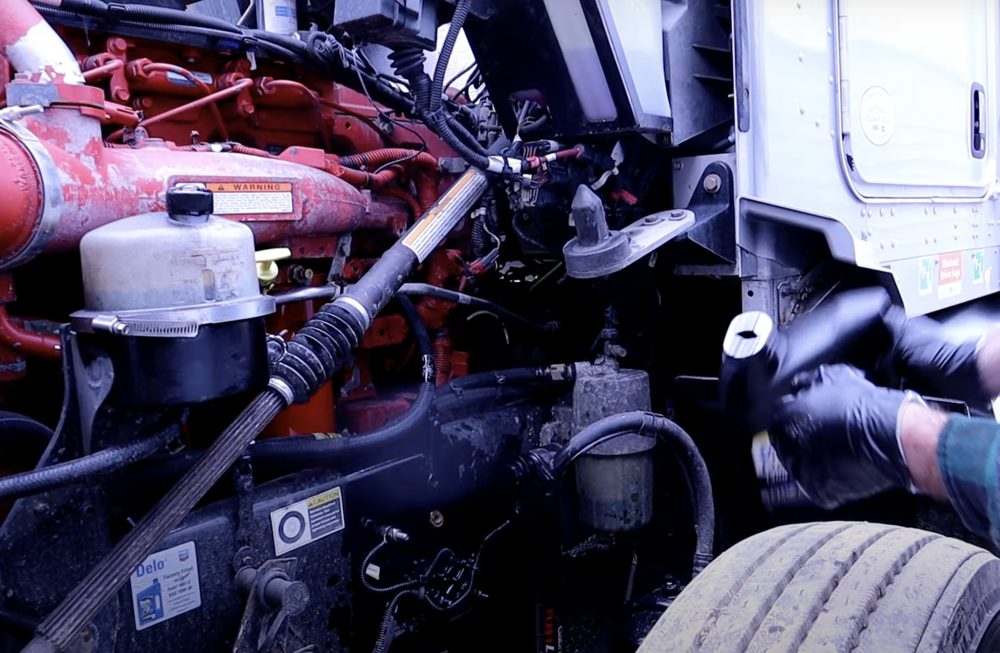
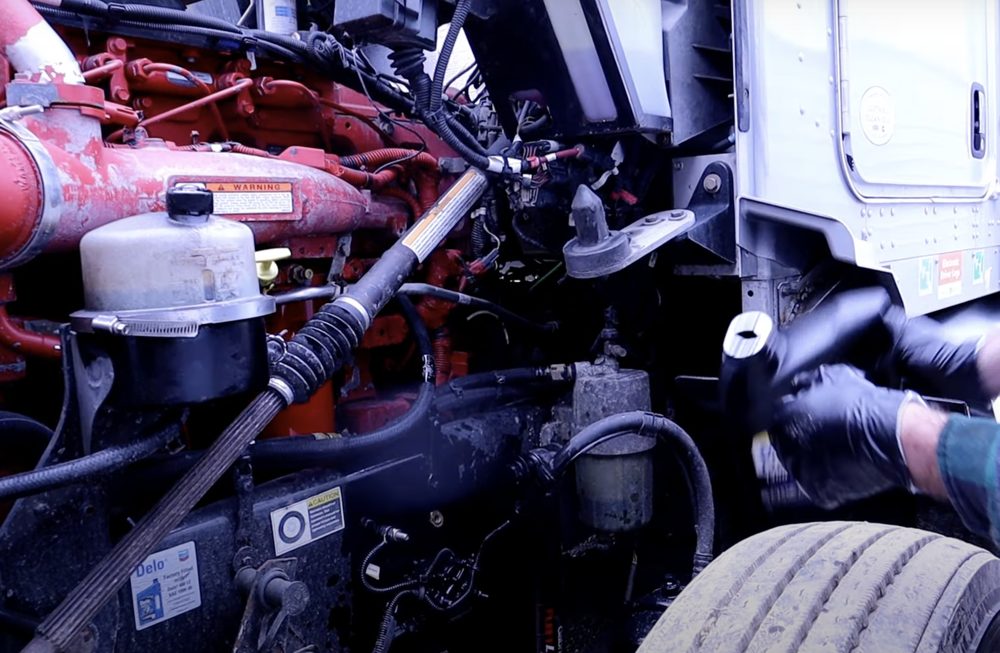
No-starts, hard starts, derates, and warning lights, scanned and tested at the truck. Winter no-starts are half our cold-season phone traffic.
There is a lot of Vermont between here and the nearest heavy truck shop. When a straight truck quits on a hill outside Barre or a tractor will not build air at a Montpelier dock, the tow bill alone can ruin the week. Mr. Montpelier Mobile Truck Repair works the other way around: the technician drives to the truck, carrying what the symptoms suggested, and most jobs end where they started.
That coverage takes in tractors and straight trucks, dumps and delivery boxes, the trailer behind any of them, and the seasonal rigs that keep town roads open. If it works for a living in Washington County, it is our kind of truck.
No-starts, hard starts, derates, and warning lights, scanned and tested at the truck. Winter no-starts are half our cold-season phone traffic.
Vermont hills write checks that brakes have to cash. Chambers, adjusters, leaks, and frozen air lines handled where the truck sits.
Batteries, alternators, starters, corroded grounds. Road salt is the state mineral and it eats wiring for free.
Lights, plugs, doors, landing gear, liftgates on delivery trucks. Fixed at the dock or the yard, not after a ferry trip to a distant bay.
Around here a fleet might be a granite hauler, three dump trucks, and a plow rig that doubles as a spare. We service all of it, on a schedule when you want one and on an emergency basis when Vermont decides for you. Either way you get told plainly what the truck needs now, what can wait until mud season ends, and what is not worth fixing at all.
That last category matters. On older working trucks we would rather lose a repair than watch you pour money into a frame that is done. Neighbors remember that kind of honesty longer than any ad.
Our territory runs on I-89 and US-2, then off into the working roads around Montpelier, Barre, Berlin, and the villages between. Granite trucks, milk haulers, LP delivery, plow rigs in season, and the box trucks that keep small-town Main Streets stocked. Not much of it breaks down anywhere convenient.
That is fine. We have fixed trucks in gravel pits, at farm gates, behind co-ops, and on the wide spots of Route 302. If a service truck can reach it and a person can work on it safely, it is a job site.
You describe it, we plan it. Where the truck sits, what it is doing, what the dash shows, loaded or empty. Around here the location questions matter double, because a truck dead on a back road needs directions a GPS pin sometimes cannot give. Landmarks help. So does the name of the farm.
Then comes the honest verdict: our best guess at the fault, whether a driveway fix is realistic, and how long the drive to you actually takes. Vermont distances are real and we quote arrival windows we can keep, not ones that sound nice.
Farther than you would guess. Central Vermont is the home range, and the real answer to a specific road is one phone call. If we cannot reach you in sensible time, we say so and help you find who can.
If the service truck can get there and there is safe room to work, yes. We have done brake chambers next to a milking barn. Mud season is the only thing that occasionally outvotes us.
Winter is the busy season. Gelled fuel, dead batteries, frozen air dryers, plow rig faults. Call before you crank it to death and we will talk you through what not to touch until we arrive.
If it has a diesel and a road registration we are usually in. Purely off-road machinery is case-by-case, so describe it on the phone and we will be honest about whether we are the right wrench.
Please do. Pre-winter checks in October and pre-inspection sweeps in spring are the two appointments that save Central Vermont trucks the most grief, and the most money.
Look, listen, and note what changed. Did it crank slow, did the air gauge fall overnight, did the dash light come on before or after the hill. Around here we also ask about the driveway: can a service truck actually reach where it sits, or do we meet you at the road?
The calendar runs the breakdowns here. October brings the pre-winter rush of fleets that want batteries and air dryers checked before the first real cold. January brings the trucks that skipped October. Spring is mud and electrical gremlins, because meltwater finds every cracked boot and tired seal. Summer is haying and construction, when a down truck costs a farmer daylight nothing can buy back.
Geography runs the rest. A breakdown on I-89 is straightforward. The same truck dead at the top of a gravel switchback needs a plan for where the service truck parks and which way the repair rolls if something has to move. We ask because we have been up those roads before.
Vermont trucks fail in Vermont ways. Frame and line corrosion from two decades of road salt. Brake chambers that rust from the outside in. Electrical faults that trace back to some junction the plow spray has been marinating since 2019. And every fall, the great battery die-off, as packs that survived summer meet their first ten-degree morning and simply decline.
None of it surprises us anymore, which is good news for you: the service truck already carries the usual suspects for this climate, and the diagnosis usually starts in the right place. When something genuinely odd turns up, we say so, and we chase it with a meter instead of a parts cannon.
Municipal and contractor plow rigs cannot be down the night a storm lands, so the work happens before the forecast does. Hydraulics checked, cutting edge hardware gone through, lights and beacons verified, and the chassis faults fixed while the sun is still doing its job. When a rig does break mid-storm, those calls jump the queue, because a plow that quits at 2 a.m. is not one truck down, it is every road it was supposed to clear.
If your town or your contract runs plows, get on the pre-season list early. The October calendar fills in September, and the trucks we see in October are the ones that do not call us in January.
A dairy truck that misses a pickup is not an inconvenience, it is dumped milk. A skidder support truck that sits through a dry week costs a logging crew the best days of the season. We plan around that arithmetic: repairs scheduled between milkings, yard visits stacked so one trip serves three neighbors, and honest advice about which old trucks deserve another winter.
Payment and paperwork stay simple, because a handshake operation deserves an invoice it can read.
Interstate calls get triaged for safety first: how wide is the shoulder, how fast is the traffic, and can the truck limp to an exit without damage. Off the interstate, the questions turn practical. Which hill, which bridge, whether the town plow has been through. It sounds quaint until you have tried to bring a service truck up an unplowed grade to a loaded hauler, and then it sounds like the only questions that matter.
Tell us the road, the nearest landmark, and what the truck is doing. You will get a straight answer about the fix and a real arrival window, not a promise made to end the call.